Reported by TempWire News
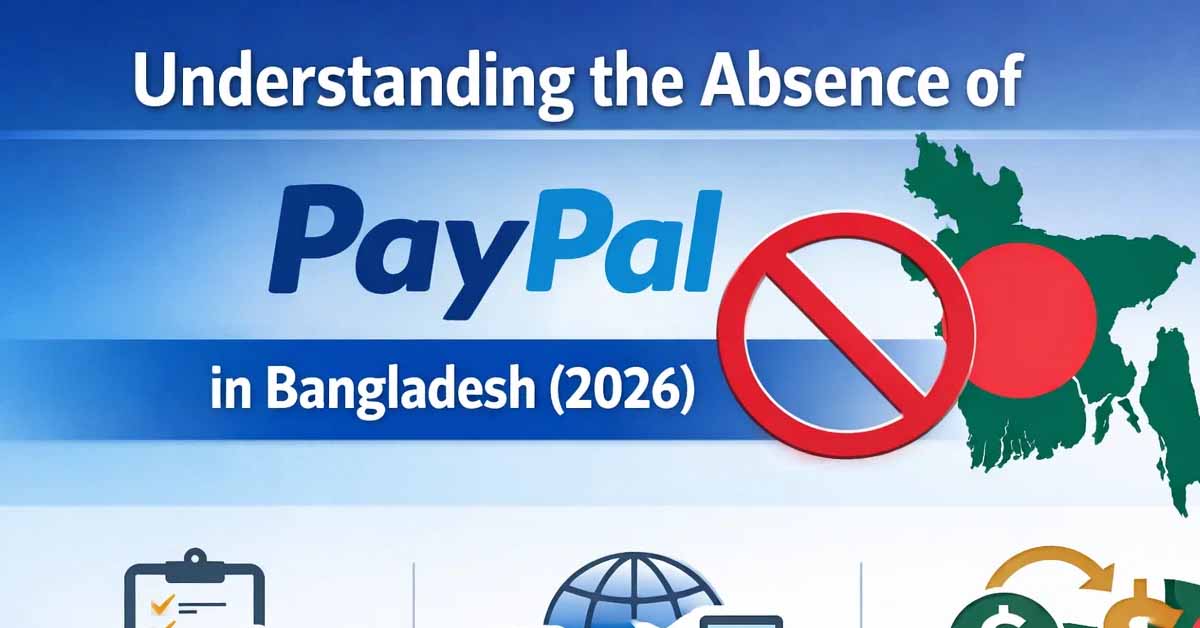
Despite strong demand for seamless international digital payments, PayPal remains unavailable for full-scale use in Bangladesh as of early 2026. For the country’s rapidly growing community of freelancers, exporters, and digital entrepreneurs, the absence of PayPal continues to be a major operational limitation.
Although government officials and financial regulators have acknowledged ongoing discussions, several long-standing structural and regulatory barriers still prevent PayPal’s full “send and receive” functionality from launching in Bangladesh.
Core Obstacles to PayPal’s Entry
1. Stringent Foreign Exchange Controls
Bangladesh’s foreign exchange framework, regulated by Bangladesh Bank, tightly controls outbound foreign currency transactions. These measures are designed to protect national reserves and prevent illegal capital flight.
PayPal’s global peer-to-peer payment model, which enables unrestricted cross-border transfers, directly conflicts with these localized currency regulations—making regulatory approval difficult under the current system.
2. Compliance and AML Infrastructure Gaps
PayPal operates under strict international Anti-Money Laundering (AML) and Know Your Customer (KYC) standards. Bangladesh’s financial ecosystem still faces challenges in:
- Maintaining a fully automated 24/7 international settlement system
- Operating centralized, high-speed digital fraud monitoring units
Without these safeguards, the compliance risk for a global payments provider like PayPal remains above its acceptable threshold.
3. Address and Identity Verification Limitations
A critical technical barrier lies in identity verification. PayPal relies on standardized address verification systems as part of its global security protocols. Bangladesh currently lacks a fully digitized, uniform national address database, making it difficult to meet PayPal’s verification requirements during international audits.
4. Market Viability and Local Competition
Historically, PayPal has also questioned the profitability of the Bangladeshi market. Domestic mobile financial services such as bKash and Nagad dominate local transactions, leaving PayPal to compete mainly in the narrower cross-border payments segment.
Developments in 2025–2026
Renewed Regulatory Discussions
In late 2025, Bangladesh Bank Governor Ahsan H. Mansur confirmed that discussions with PayPal had resumed. The focus is reportedly on building a freelancer-friendly remittance gateway, though no official launch timeline has been announced.
Xoom’s Limited Role
Xoom, a PayPal subsidiary, continues to operate in Bangladesh—but only for inbound remittances. Users cannot open PayPal wallets, hold balances, or send money abroad using Xoom.
Payoneer–PayPal Workaround
A notable development occurred in late 2025 when Payoneer enabled limited PayPal integration. This allows eligible Bangladeshi freelancers to receive PayPal payments through Payoneer accounts—offering partial relief, though not a native PayPal experience.
Top PayPal Alternatives in Bangladesh (2026)
Until PayPal launches fully, professionals in Bangladesh commonly rely on:
- Payoneer – The most widely used option for freelancers and exporters
- Wise – Popular for low-cost transfers, though new registrations face occasional restrictions
- Xoom – Best for receiving funds from abroad
- Stripe – Requires a foreign business entity, often accessed via startup incorporation programs
The Path Forward
The outlook for 2026 remains cautiously optimistic. While demand for PayPal in Bangladesh is stronger than ever, full entry will require meaningful regulatory alignment with global digital banking standards, along with upgrades to compliance and settlement infrastructure.
Until then, freelancers and businesses are advised to continue using authorized, compliant platforms such as Payoneer to ensure payment security and regulatory safety. For freelancers and online businesses, the absence of PayPal Bangladesh continues to affect international payment flexibility. While discussions with regulators are ongoing, experts agree that meaningful reforms in foreign exchange policy and compliance infrastructure are required before PayPal can operate fully. Until then, users are advised to rely on compliant alternatives such as Payoneer and Wise to avoid legal and financial risks.
Editorial Note
This report reflects confirmed regulatory statements and verified industry developments as of early 2026. TempWire News will continue monitoring official updates regarding PayPal’s status in Bangladesh.